Upgrade Your Home: Creative Ideas for Stunning Home Additions
Upgrading a home through thoughtful additions can greatly enhance both its usability and overall appearance. From sunrooms that invite natural light to expansive decks perfect for entertaining, the possibilities are diverse. Enlarging essential spaces, such as kitchens, encourages togetherness, while a garage addition can address storage challenges. Understanding essential design elements and effective planning is vital. Yet, what genuinely motivates homeowners to pursue these improvements? The answer lies in the transformative power of well-executed home additions.
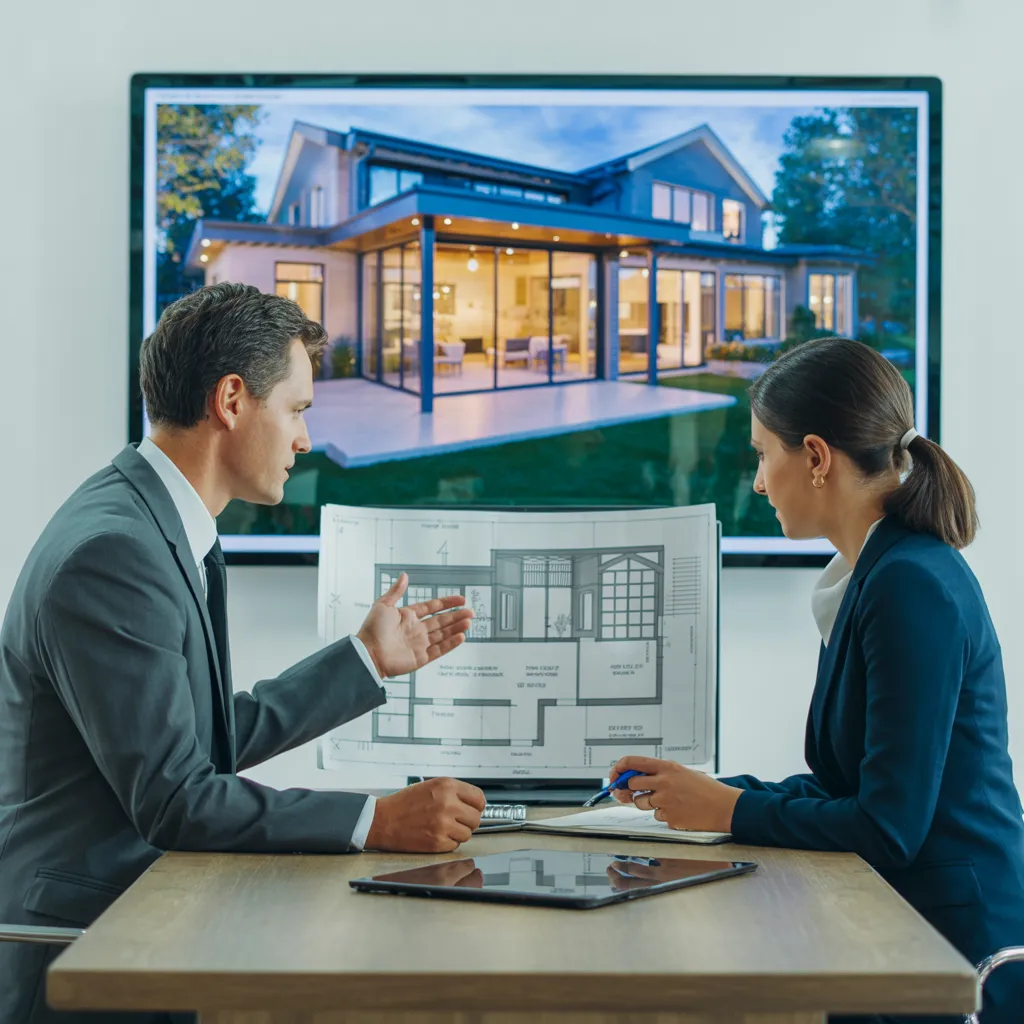
Explore Popular Home Addition Ideas to Transform Your Space
Many homeowners actively pursue unique approaches to upgrade their homes, and discovering trending home addition concepts can provide remarkable improvements. One highly popular choice is incorporating a sunroom, which brings natural light indoors while creating a serene space for relaxation. A similarly desirable addition is a deck or patio, expanding the usable space into the outdoors and ideal for hosting gatherings.
Homeowners might also think about expanding their kitchens, creating a more useful and appealing environment. A garage extension not only provides additional storage space but can also serve as a workshop or hobby space.
For individuals seeking more sleeping areas, a bedroom extension can provide much-needed privacy and comfort. Finally, converting attics or basements into livable spaces presents an opportunity for creative design while maximizing existing square footage. Each of these ideas has the potential to enhance both functionality and aesthetic appeal, ultimately transforming a home into a more enjoyable environment.
How Home Additions Can Enhance Your Lifestyle?
Home additions can significantly improve living space, offering families the opportunity to grow and adapt. Additionally, enlarging a home can contribute to higher property value, making it a wise financial investment. Lastly, these expansions frequently strengthen family bonds by establishing communal spaces for activities and gatherings.
Transform Living Space
Extending a living space through residential additions can significantly transform one's daily life by offering greater convenience and ease. For growing families, extra rooms can support growing needs, such as a playroom for children or a dedicated home office. A carefully planned addition can develop a natural transition between indoor and outdoor spaces, fostering social interaction and relaxation. Furthermore, integrating elements like open floor plans or large windows cultivates a sense of spaciousness and natural connection. Upgraded home spaces also allow for customized design decisions, showcasing individual tastes and preferences. In summary, home expansions not only optimize existing areas but also develop spaces that enhance well-being and elevate everyday living.
Raise Property Value
Putting money into residential expansions can greatly elevate a property's overall value, making it an intelligent financial move. By enlarging the home's footprint or introducing useful living zones, sellers can appeal to interested purchasers and raise property values. Features such as extra bedrooms, modern kitchens, or versatile living areas frequently generate impressive investment returns. Furthermore, improvements such as sunrooms or outdoor decks not only improve aesthetics but also satisfy contemporary living aspirations, further boosting desirability. A well-planned addition can turn a residence into a more desirable asset, aligning with present market demands and purchaser expectations. Ultimately, purposeful residential additions serve as a smart approach to optimizing real estate worth while enhancing the overall living experience for current occupants.
Foster Family Connections
A carefully planned addition can significantly enhance family connections by developing spaces that foster interaction and togetherness. Expansive layouts, such as family rooms or large kitchens, act as hubs for collective activities, fostering communication and bonding. Purpose-built areas for hobbies or playrooms provide children a place to engage, while adults can enjoy nearby social spaces. Furthermore, including outdoor living spaces, like patios or decks, enables families to gather in a comfortable environment. These additions not only encourage everyday bonds but also create a backdrop for lasting gatherings and celebrations. In the end, well-planned home additions convert living environments into supportive spaces that reinforce family ties, enhancing overall quality of life.
Key Design Elements to Improve Your Home Addition
As homeowners plan a home addition, integrating essential design elements can greatly enhance both aesthetics and functionality. Key elements include natural light, which can be achieved through large windows or skylights, creating a get more info bright and inviting space. Moreover, an open floor plan fosters effortless movement between current and added spaces, establishing an atmosphere of harmony.
Incorporating matching materials and hues ensures the addition harmonizes with the original structure, upholding design consistency. Thoughtful arrangement of furnishings and fittings elevates functionality, making the space practical for everyday life. Outside transitions, such as a patio or deck, can extend living areas and encourage outdoor enjoyment. Additionally, sustainable design approaches, incorporating sufficient insulation and environmentally friendly materials, promote enduring cost reductions and environmental stewardship. By concentrating on these fundamental design principles, homeowners can create a cohesive and beautiful addition that enhances their living experience.
Plan Your Home Addition Project with Success
Careful planning is critical for a successful home addition project. Property owners should commence by defining their goals, whether it's generating additional living space, boosting practical use, or raising the home's value. Establishing a clear vision helps guide the planning and building process. Furthermore, reviewing regional zoning ordinances and construction codes is essential to guarantee compliance and avoid potential setbacks.
Developing a roadmap that defines each phase of the project aids in sustaining clarity and responsibility. Homebuilders are also encouraged to consider hiring specialists, including designers or contractors, for expert advice and to streamline the project.
Moreover, stressing the importance of communication among team members encourages teamwork and resolves challenges in a timely manner. To conclude, considering long-term needs can aid in designing an addition that remains functional over time. By adhering to these guidelines, homeowners can navigate their home addition projects with greater confidence and clarity.
Financial Planning for Your Home Addition: Must-Know Tips
Budgeting for a home addition requires careful consideration and planning to minimize surprise expenditures. Homeowners ought to start by establishing a reasonable budget that covers every element of the project, including permits, materials, labor, and unforeseen expenses. It is wise to reserve an additional 10-20% of the total budget for contingencies.
Reviewing and contrasting prices from different contractors can provide valuable insights and help in making informed decisions. Additionally, property owners should weigh their necessities against their preferences, ensuring that essential features are included while remaining within budget.
Developing a comprehensive timeline can assist in coordinating expenditures with project phases, alleviating financial strain. Finally, working with a financial advisor or a construction specialist can provide further clarity on likely costs and payment alternatives, making certain that the finances stay controlled throughout the home expansion project. This thoughtful strategy contributes to a prosperous and fiscally responsible home expansion.
Inspiring Real-Life Home Addition Transformations
Remarkable home extension upgrades highlight the remarkable capacity of residential spaces. A perfect illustration is a modest bungalow that underwent a transformative transformation with a contemporary, stylish annex. By incorporating a expansive kitchen and dining space, the owners enhanced their kitchen functionality while creating a welcoming gathering space for family members and visitors.
Another transformation features a small residence that expanded vertically with a appealing loft, making the most of the space by incorporating a comfortable reading corner. This smart architectural choice not only increased usability but also infused character into the home.
At last, a suburban ranch-style house incorporated a contemporary look with a floor-to-ceiling glass sunroom, bathing the interior in warm natural light and providing breathtaking views of the back garden.
These real-life transformations illustrate the diverse possibilities for home additions, motivating homeowners to consider their own personalized improvements and reimagine their home surroundings.
Frequently Asked Questions
What Permits Do I Need for a Home Addition Project?
For those planning a home addition project, it is typically necessary to obtain a construction permit, zoning approval, and possibly permits for electrical or plumbing work. Local regulations vary, so consulting with municipal authorities is essential to guarantee compliance with all requirements.
How Long Does a Typical Home Addition Take to Complete?
A standard home addition generally takes two to six months to finish, based on factors including complexity, size, weather conditions, and permits. Thorough planning and an efficient contractor can greatly affect the overall timeline.
Can I Continue Living in My Home Throughout the Addition Process?
Indeed, homeowners can often reside in their homes during the construction addition process. However, considerations like the project's scale, location, and sound levels may affect daily comfort and access, requiring short-term adjustments or temporary accommodations during the building process.
What Are the Most Common Mistakes to Avoid When Planning an Addition
Common mistakes to avoid during addition planning encompass underestimating costs, overlooking required permits, overlooking structural integrity, not considering long-term requirements, and not consulting professionals. Diligent preparation leads to more efficient execution and improved results.
What Is the Best Way to Choose the Right Contractor for My Project?
To choose the right professional, you should review credentials, verify recommendations, and ensure open communication. Comparing multiple bids and evaluating past projects can assist in identifying trustworthiness and alignment for the individual home addition project.
Comments on “How to Choose Top Remodeling Experts in East Palo Alto”